
Heated Base Layer Shirt with Low-Profile Battery Pocket
A heated base layer is the one heated garment designed to be invisible. It sits against the skin, under everything else, and the customer judges it by whether the layers above still fit and whether the pack prints through a shirt. This build is specified around that constraint, with the heat treated as the secondary decision.
- Flat lumbar pouch dimensioned around the pack you nominate, not a generic pocket
- Two or three concealed zones across the upper back and chest, with a zone map on the drawing
- Bonding method and knit recovery target fixed before sampling, so panels survive repeated washing
- Cable routed along the side seam, with a moulded boot at the connector that flexes
- Pack removed and pouch zip closed before washing, with the drying limit printed on the label
MOQ from 100 units per SKU · Sample in 3–5 days · Bulk ready to ship in 7–10 days · Reply within one hour
Product attributes
| Format | Long-sleeve heated base layer shirt worn against the skin, under a shirt or mid-layer |
|---|---|
| Fit | Close contour fit, graded so the garment sits under a fitted shirt without a visible ridge at the seams |
| Fabric | Fine-gauge stretch knit in a synthetic blend as standard; merino blend option on request |
| Knit weight | Light and medium weights available; the weight is confirmed per market alongside the stretch recovery target |
| Heating zones | Two or three concealed zones across the upper back and chest; start and end points of each panel fixed on the zone map |
| Zone avoidance | No element under the shoulder-blade line where a backpack strap or harness would press |
| Element carrier | Bonded carrier with a knit recovery target agreed before sampling; lamination or stitched carrier per model |
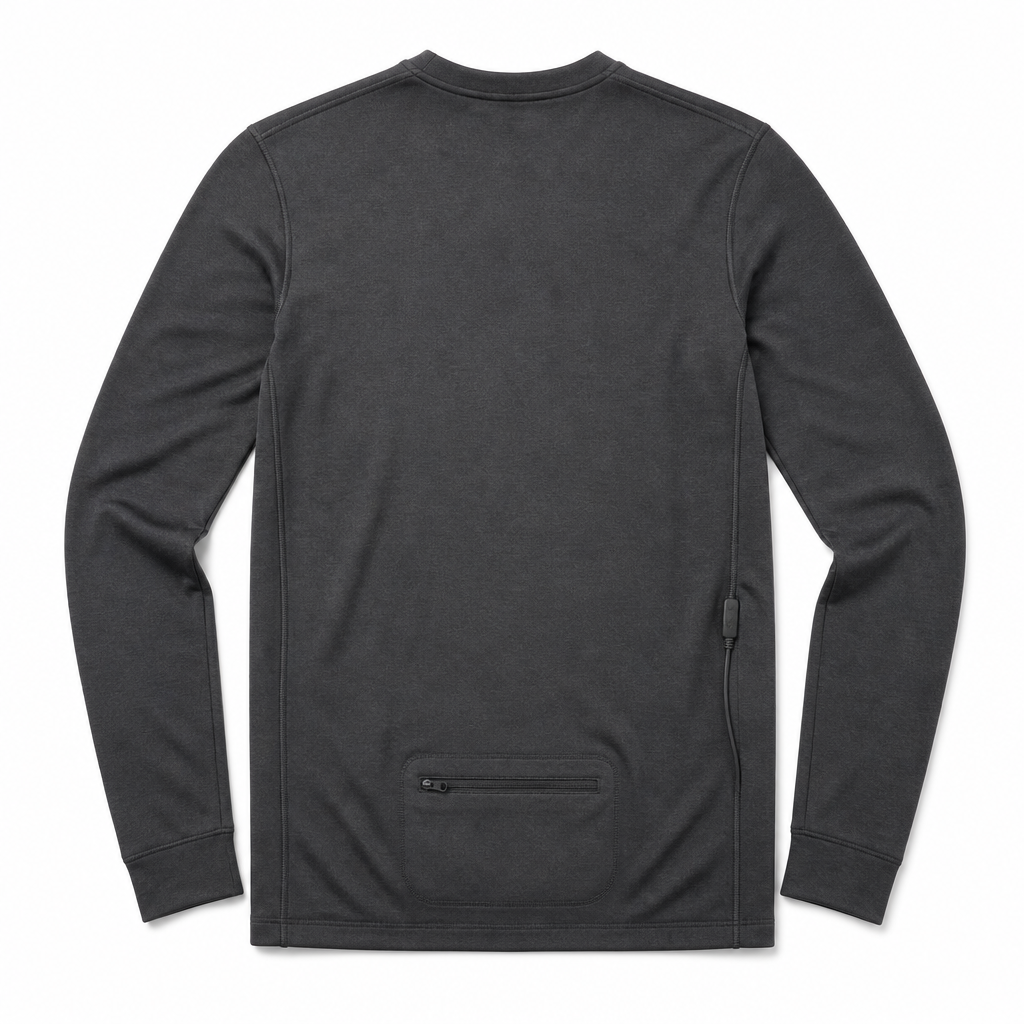
| Battery pouch | Flat pouch at the lumbar area, dimensioned around the pack nominated by the buyer rather than a standard pocket |
| Pouch closure | Concealed zip with a moulded pull, flat enough not to read through a shirt |
| Cable route | Lead routed along the side seam or shoulder seam, away from the spine, with a moulded strain-relief boot at the connector |
| Controller | Inline or pouch-mounted control, with the layout agreed per model and per market |
| Heat settings | Step count confirmed per model, with the warmth of each step described in the setting table |
| Automatic shut-off | Timed shut-off as standard; window set per model and stated on the label |
| Power source | Pack format nominated by the buyer; the pouch is built to that pack and the fit is confirmed on the sample |
| Voltage | Per destination market and pack format |
| Washability | Machine washable with the pack removed and the pouch zip closed, in the order printed on the care label |
| Drying limits | Flat dry or low-heat tumble as standard; high tumble heat is not recommended because it relaxes the knit and stresses the bonding |
| Care label | Destination-market language covering pack removal, zip closure, wash programme, drying limit and storage |
| Colour | Custom; charcoal and black as references |
| Branding | Woven labels, heat-transfer marks and retail packaging |
| Sizes | S to 3XL as references; custom grading and size sets to your brief |
| Packing | Fold pattern, polybag or retail carton, and compressed height confirmed on the sample |
| Batch traceability | Batch or lot marking linked to element, pack pouch and cable set records |
| Change control | No electrical or firmware substitution without re-assessment and written approval |
| Testing & documentation | Assessment supported on the finished garment for the destination market's scope; the applicable marking set is confirmed per order and per market |
| OEM / ODM | Custom knit, weight, zone map, pouch dimensions, controller layout, branding and retail packaging |
| MOQ | From 100 units per SKU |
| Sample lead time | 3–5 days |
| Bulk lead time | 7–10 days |
Final specifications are confirmed on the quotation. Pouch dimensions, zone map, knit weight, step count and packing format are set per model and market.
Detail images
Click any image to open the full-size file.
Full view — the knit face, flatlock seams and the low-profile pocket at the lower back.
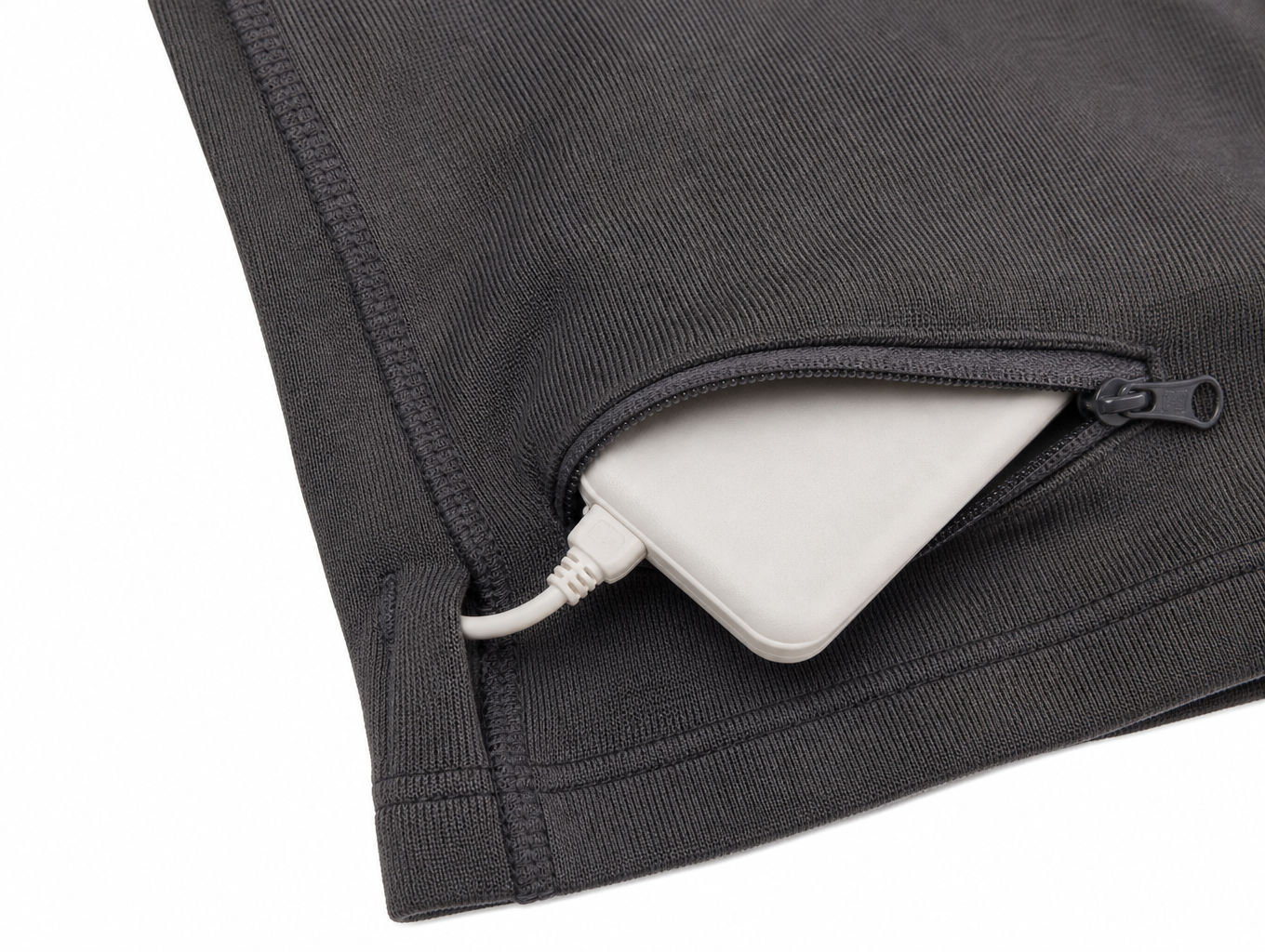
Detail — the concealed zip, the flat pouch inside it, and the connector where the lead enters the side seam.
Typical uses
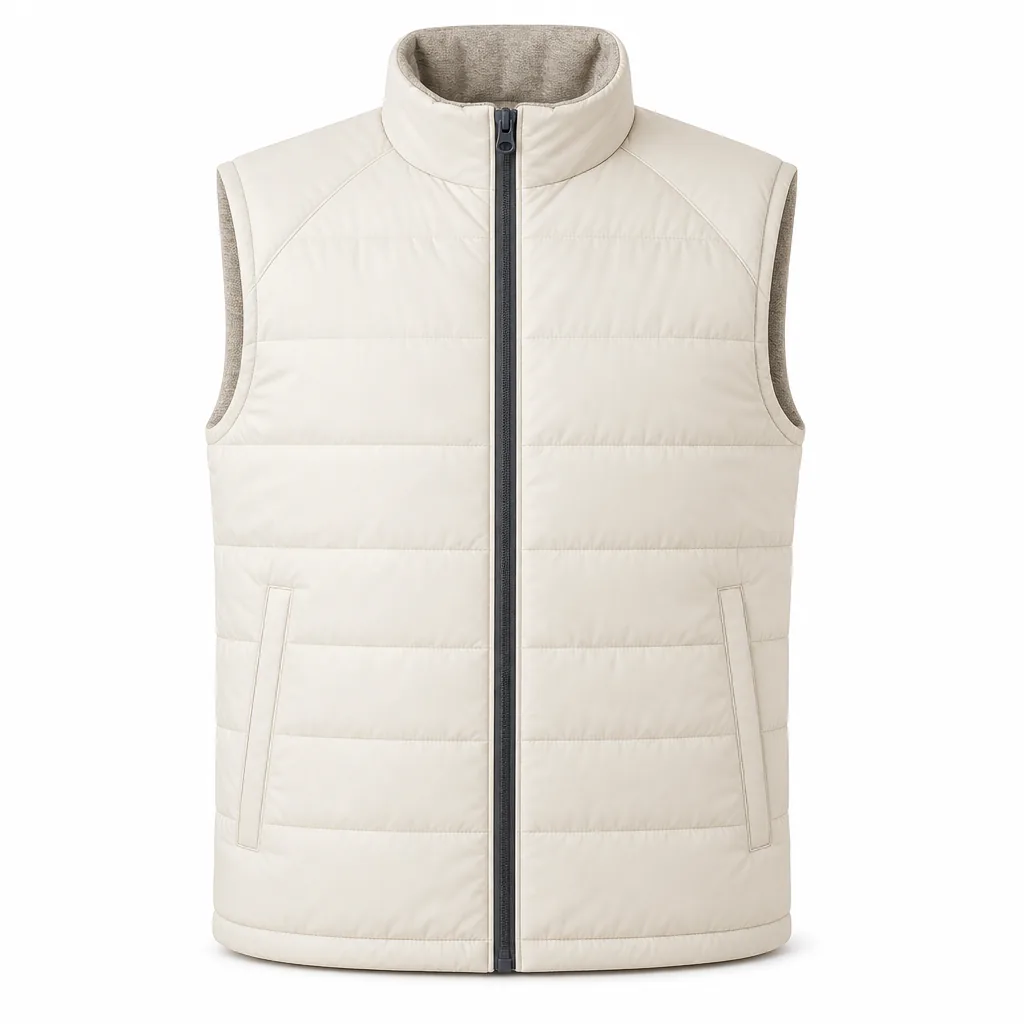
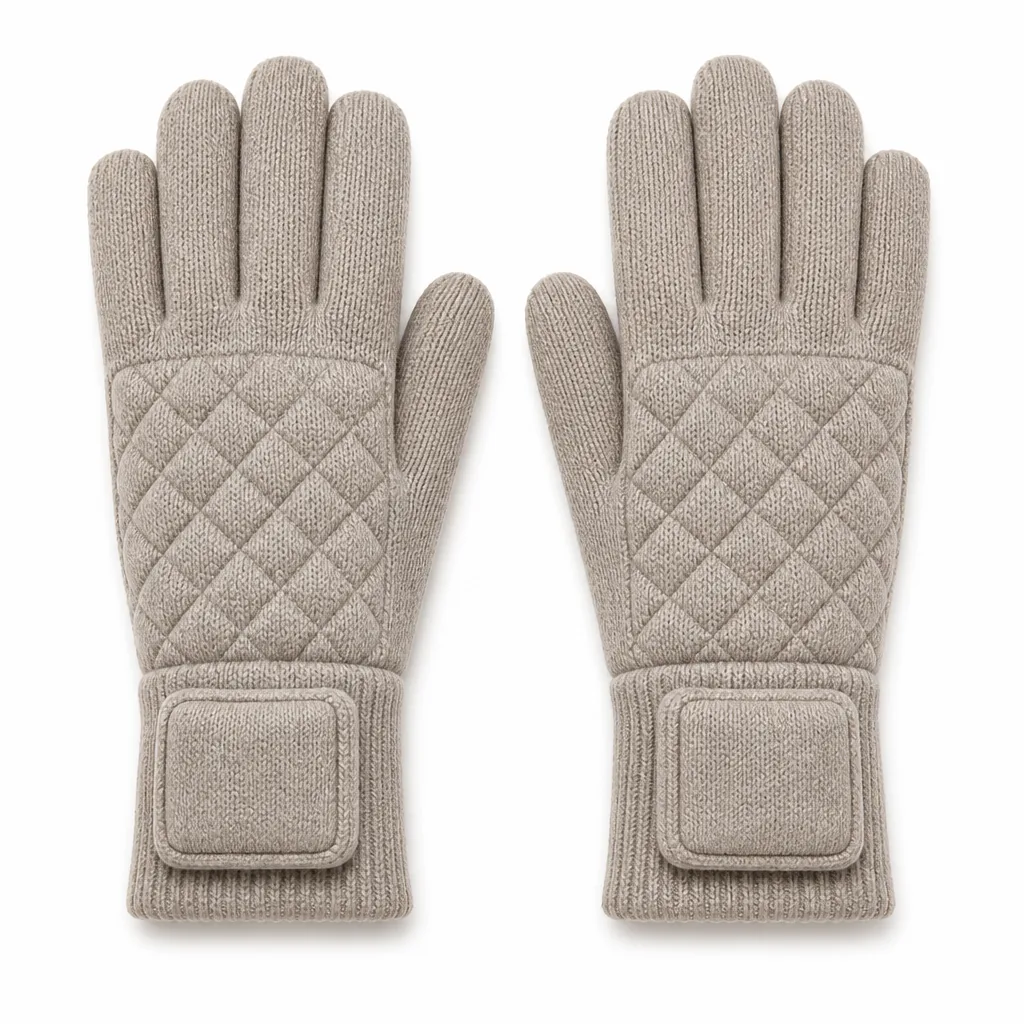
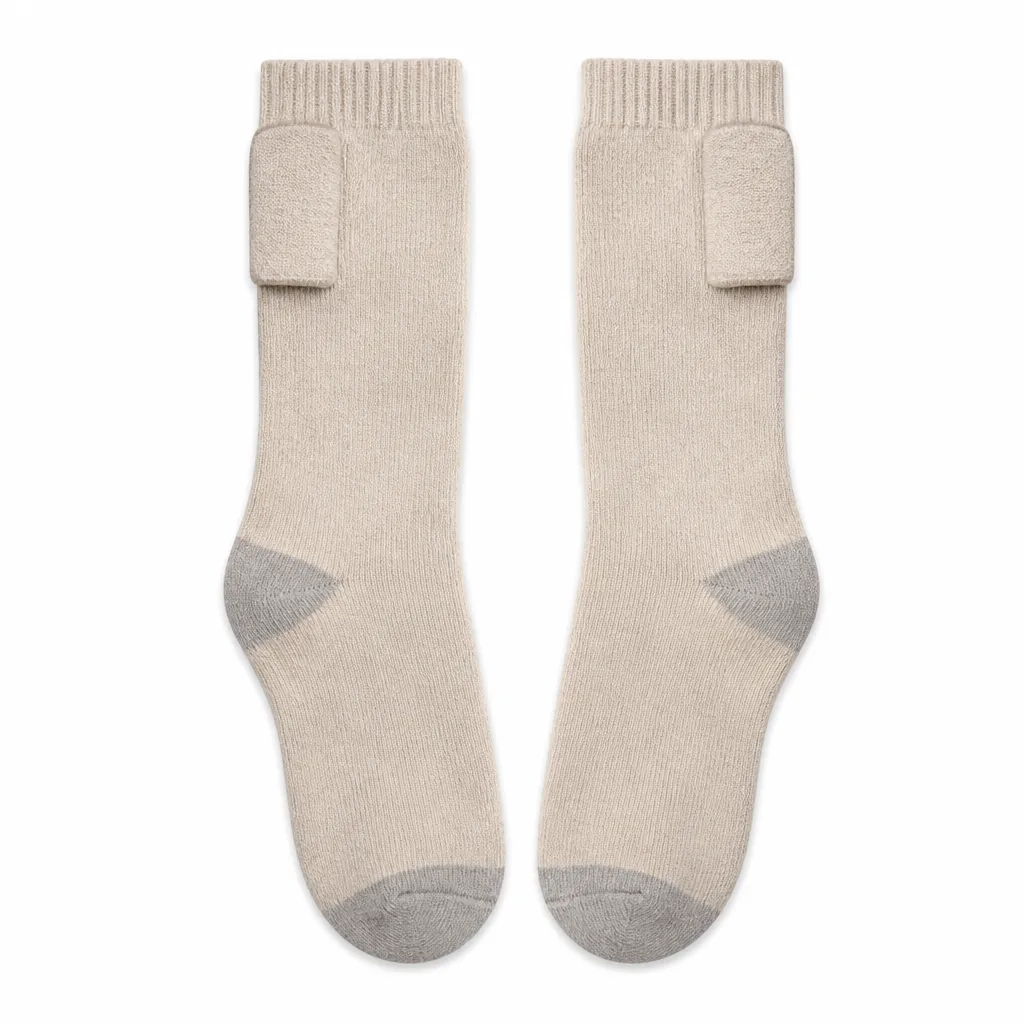
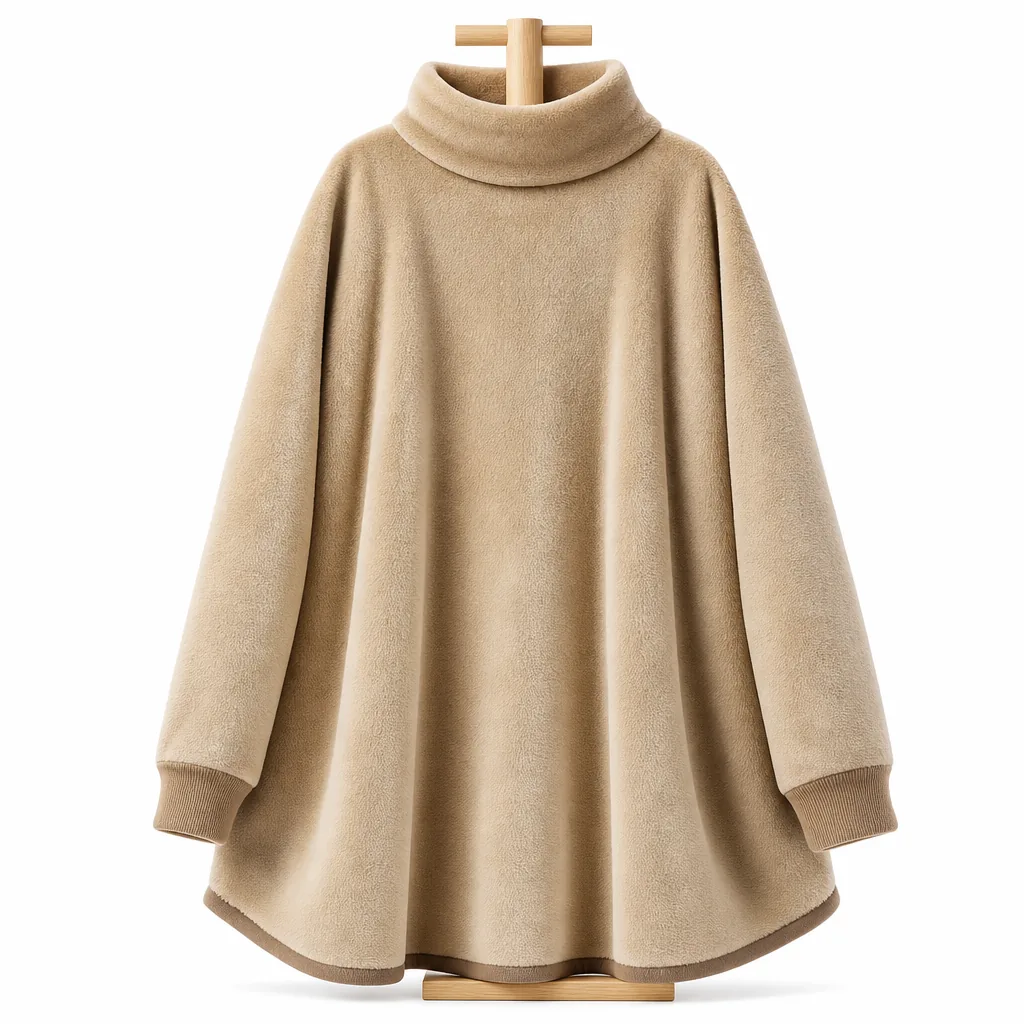
Wear it under our heated apparel range, and pair it with heated gloves, heated socks and a heated poncho for a complete cold-weather layering system under one private label. For the reasoning behind pouch depth and zone placement, read Heated Base Layers: Battery Bulk, Layer Stacking and Zone Placement.
Specifying a heated base layer?
Send the pack format you intend to use, your market and your layering requirements. We will come back with a pouch position proposal, a zone map and a sampling schedule within one hour.